Truth Deferred: The National Guard Massacre
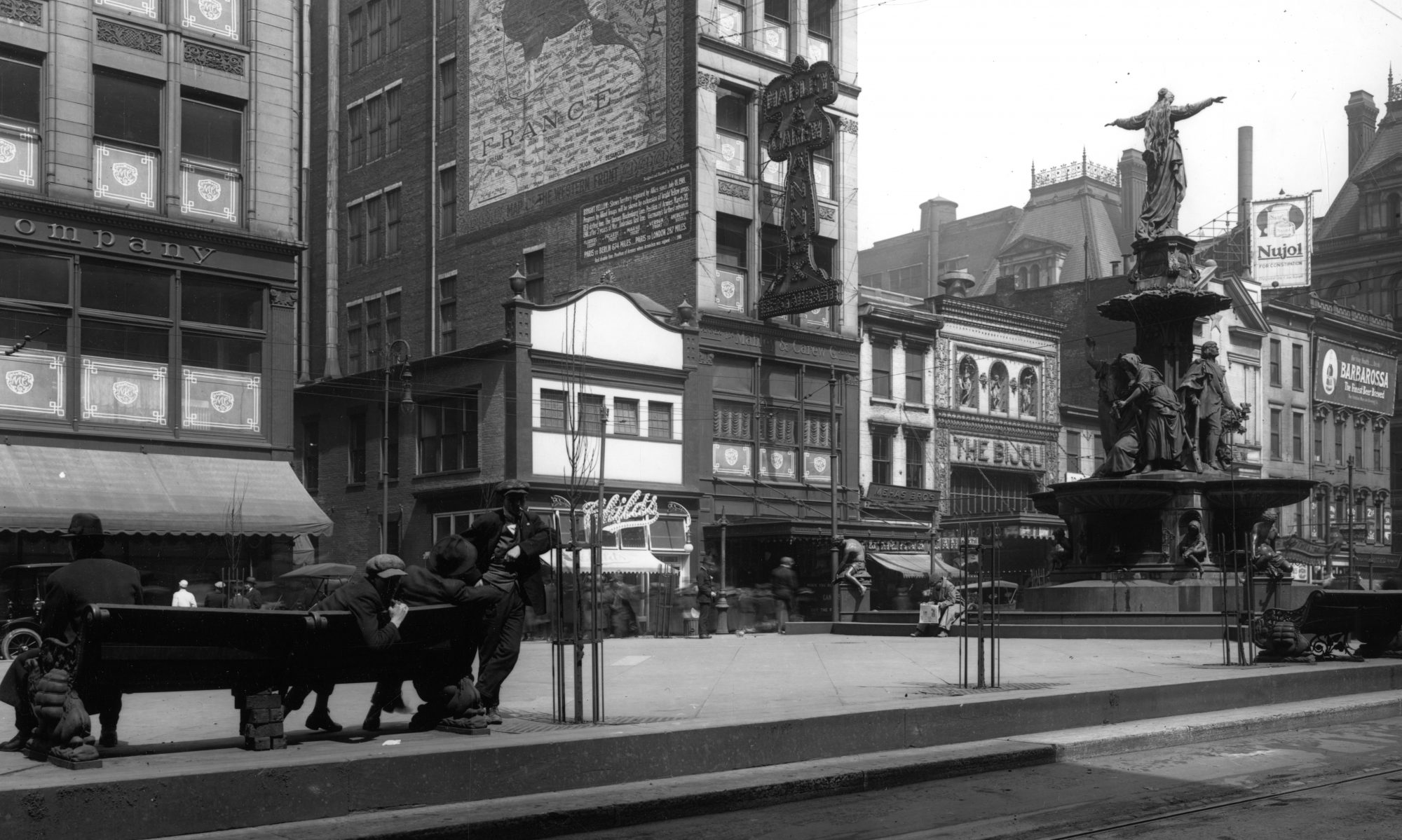
In 1884, Cincinnati was still one of America’s largest cities. Nicknamed “the Paris of America,” it had a vibrant nightlife and a bit of a drinking problem, but it was a politically moderate, relatively peaceful town, which made it an unlikely site for the largest massacre of civilians by National Guard troops in American history.
Could similar events occur again on the streets of a modern American city? In short, yes, partly because we failed to learn any lessons from the tragic event. To the extent that this forgotten episode in our history is remembered, it is called “the Courthouse Riot,” and the version of the story that has been retold since the summer of 1884 has largely been a lie.
In Season One of “Truth Deferred: The National Guard Massacre,” hosts Mike and Amy Morgan peel back the layers of murder, media bias, Gilded Age corruption, personal rivalries between attorney T.C. Campbell and a rising young legal star named William Howard Taft, and how it all led to the slaughter of dozens of innocent people and a whitewash that covered up the truth for over 140 years — until now!
Subscribe now through Grab Bag Collective to get all 9 episodes ad free!



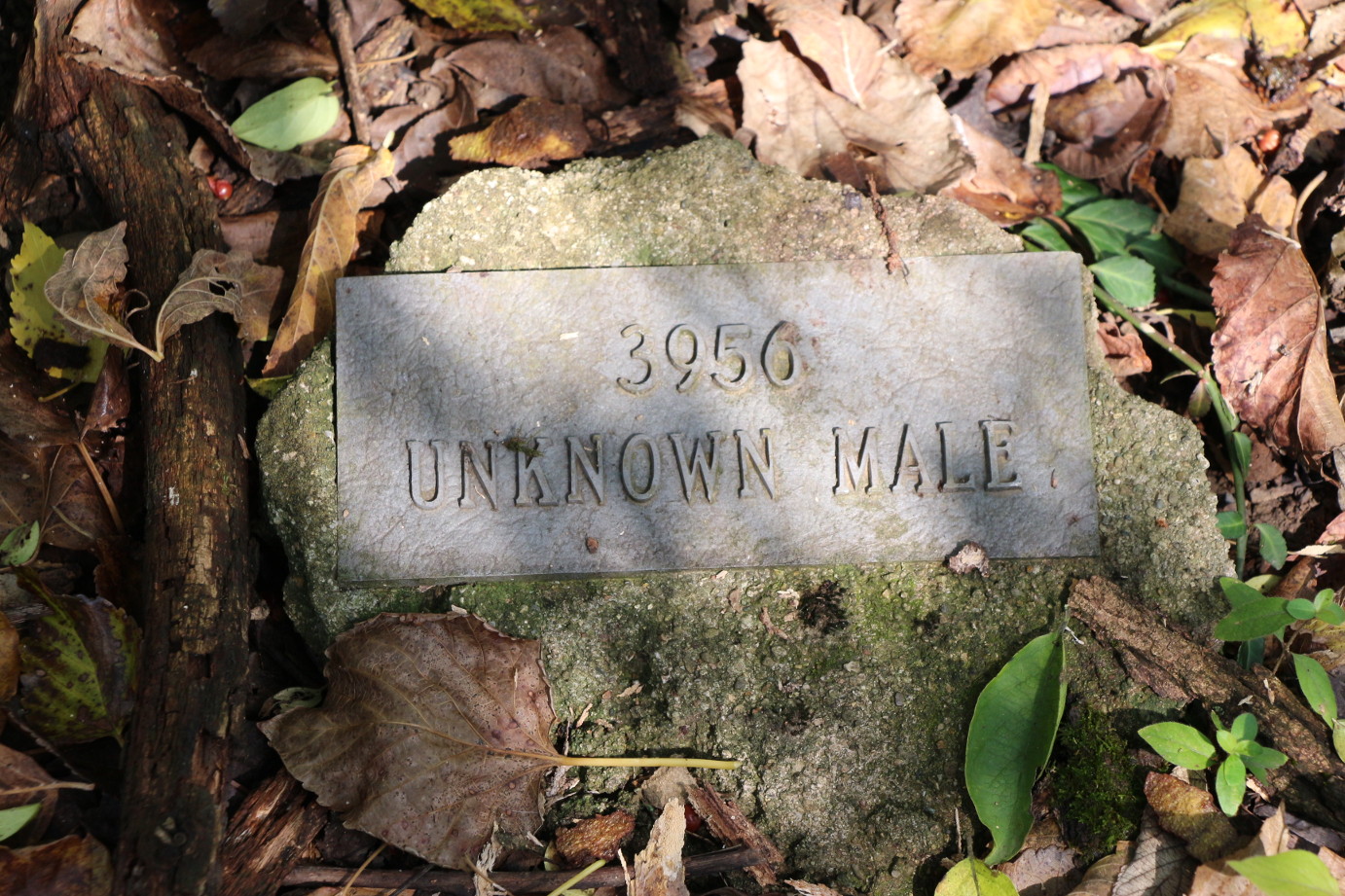 QCH will continue to work with neighborhood stakeholders, the City, and the best expert partners in the years ahead to transform a shameful history of neglect into a community assets, properly telling the story of the site for the first time, and bringing dignity to the memory of the roughly 20,000 people laid to rest there.
 City Council to identify the root causes for Cincinnati’s persistent loss of historically significant buildings, and to propose solutions. This work directly resulted in several pieces of legislation that improved and better integrated preservation goals into the city’s approach to planning, building and housing code enforcement.

 Queen City History