Truth Deferred: The National Guard Massacre
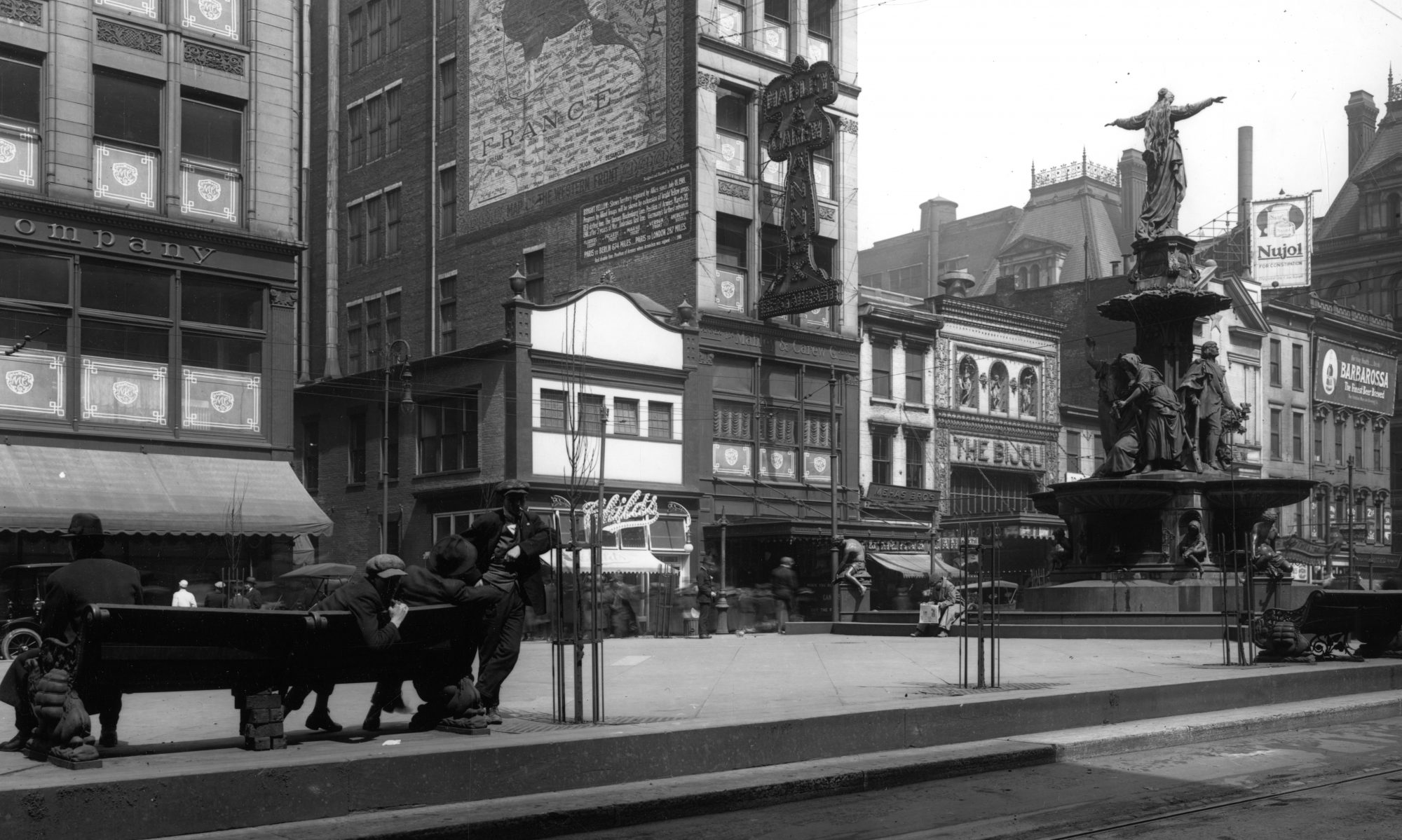
In 1884, Cincinnati was still one of America’s largest cities. Nicknamed “the Paris of America,” it had a vibrant nightlife and a bit of a drinking problem, but it was a politically moderate, relatively peaceful town, which made it an unlikely site for the largest massacre of civilians by National Guard troops in American history.
Could similar events occur again on the streets of a modern American city? In short, yes, partly because we failed to learn any lessons from the tragic event. To the extent that this forgotten episode in our history is remembered, it is called “the Courthouse Riot,” and the version of the story that has been retold since the summer of 1884 has largely been a lie.
In Season One of “Truth Deferred: The National Guard Massacre,” hosts Mike and Amy Morgan peel back the layers of murder, media bias, Gilded Age corruption, personal rivalries between attorney T.C. Campbell and a rising young legal star named William Howard Taft, and how it all led to the slaughter of dozens of innocent people and a whitewash that covered up the truth for over 140 years — until now!
ALL EPISODES ARE AVAILABLE WHEREVER YOU LISTEN TO PODCASTS
SUBSCRIBE
Episode One: Love Lost & Justice Unraveling
Our story starts on Monday, March 31, 1884. The streets are covered in blood. Over 50 people are dead and some are dying in the hallways of the hospital. Every window has been smashed out of the jail, and the county courthouse is a smoldering ruin. To find out how we got here, we travel back to an imperfect love story ending in a public murder, and how the case of William McHugh illustrates a growing distrust of the criminal justice system.
Episode Two: “Crazy Joe” Pleads Insanity
The murder trials of “Crazy Joe” Payton introduce us to the morally pliable brilliance of attorney T.C. Campbell, his odd political alliance with The Cincinnati Enquirer, and his blood feud with the Commercial Gazette and a young, idealistic lawyer named William Howard Taft – personal animosities that will help re-write history.
Episode Three: A Christmas Eve Murder
William Kirk was a horse trader with too many wives, an unlikely man to become a rallying cry for a city, but when he is brutally killed on Christmas Eve, and one of the accused “boy murderers” hires the venerated T.C. Campbell to defend him, a murder trial becomes a public litmus test for the entire justice system.
Episode Four: The Avondale Horror
When two body snatchers commit a triple homicide so barbaric that it shocks the nation, Cincinnatians grow more alarmed that the laws of human decency are coming untethered and that the legal system is no longer protecting them from falling victim to incredible violence. We also explore the recent, prolific history of lynchings to see how the public views its options.
Episode Five: One Trial Decides the Fate of a City
Before the “boy murderer” goes to trial, newspapers inflame the city with a non-existent crime wave. Prosecutor Pugh rejects and offer to plead Berner guilty of 2nd degree murder, and the public is told that if this 17-year-old defendant isn’t hanged, every citizen will be a future target. But jurors hear a more nuanced and complicated story, creating a dangerous divide between the people who hear the evidence in court from the ones that only get it from newsprint.
Episode Six: The Rich Form A Lynch Mob
As a comically stupid plan to sneak Berner to prison unravels, affluent Cincinnatians call a mass meeting, where speakers praise lynchings in nearby towns and whip the crowd into a frenzy. Afterward, people start marching to the jail. As the crowd grows to thousands, people grab battering rams, sledgehammers, and nooses, intent on breaking down the doors and hanging the accused killers inside. Despite obvious danger, the jail is unguarded, and by the time a few dozen poorly trained Ohio National Guardsmen are called into duty, the jail is overrun by a lynch mob, and it is surrounded by a crowd of over 10,000 people. Guardsmen respond by opening fire at random.
Episode Seven: The Courthouse Riot
On Saturday morning, most of the windows are busted out of the jail, the doors are bashed in, and a remarkable number of citizens are dead, but the prisoners have all been saved. Many people believe that the trouble has passed, but Sheriff Hawkins disagrees, and he begs Ohio Governor Hoadly to send as many National Guard troops as possible. Hoadly’s indecisiveness squanders critical time, and when the first reinforcements finally arrive and Hoadly is frantically sending every member of the Ohio National Guard racing to Cincinnati, the county courthouse is an inferno, a Gatling Gun is trained on curiosity seekers, and soldiers are ordered straight into an angry crowd of thousands, resulting in a senseless and astounding slaughter of unarmed citizens.
Episode Eight, Part 1: Taft v. Campbell
Although only one of them is a huge public spectacle, the first week of April is full of funerals. As dozens of dead are buried, finger-pointing begins. There will be three public inquiries, and William Howard Taft becomes the bulldog for both a Special Grand Jury and a Cincinnati Bar Association investigation into T.C. Campbell. For personal and partisan reasons, the National Guard and all the public officials are excluded from scrutiny, the blame for everything is laid at the feet of Campbell, and in an epic battle that gets increasingly personal, Taft pursues his white whale through both criminal bribery charges and a disbarment trial like none before it or since.
Episode Eight, Part 2: Blame the Immigrants
Years later, as Will Taft is on a meteoric rise through the ranks towards US President and Supreme Court Justice, he reveals that all he learned from the Cincinnati National Guard Massacre was that when the working class rise up in protest, soldiers need to mow them down in the streets. But in 1884, the last chance to hold any of the people responsible for the massacre accountable is squandered by the County Coroner for blatantly and shamefully partisan political reasons. The Coroner’s “Inquest” becomes the coup de grace in the whitewashing and re-writing of history, turning the guilty into heroes and the victims into criminals.
Episode Nine: Can It Happen Again?
The riot seals the fate of convicted killers Joe Palmer, William McHugh, and the accused Avondale murderers. People want vengeance, and all these men will leave the jail dead, although Allen Ingalls has one final life to take, and he will leave haunting questions about how many people he murdered before the Taylor family after he is gone. While Berner does prison time, Palmer gets the dubious distinction of being the last man hanged in Cincinnati. Some politicians will suffer retribution at the ballot boxes, but by 1886, many of the people most directly responsible for the bad decisions, lack of leadership, and incompetence that left such a horrific death toll will come together in a banquet, where they will all seem to agree that it is no longer too soon to recall the National Guard Massacre with lighthearted humor.
YOU CAN ALSO FIND VIDEO SHORTS OF STORY LOCATIONS ON OUR YouTube Channel



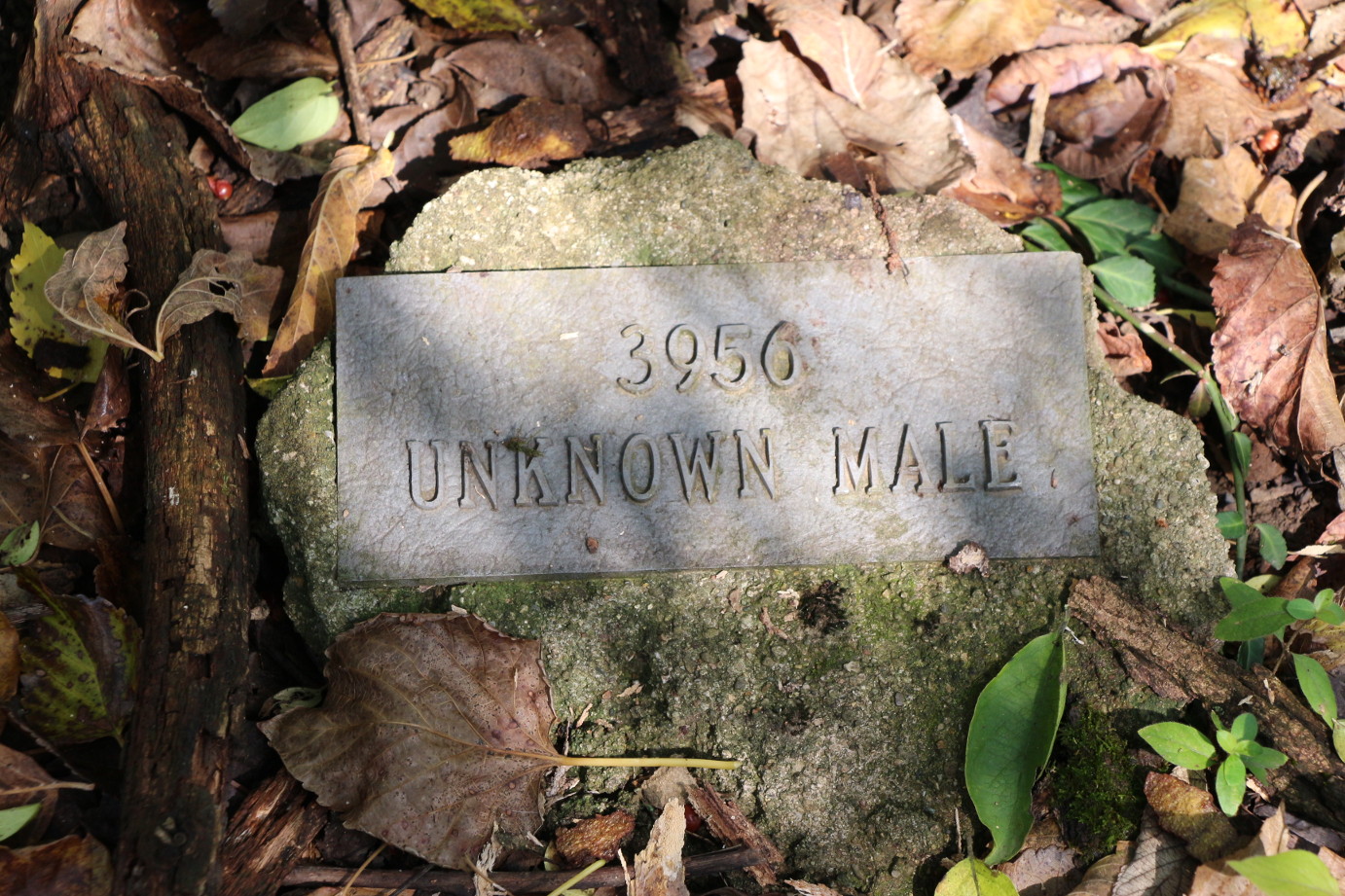 QCH will continue to work with neighborhood stakeholders, the City, and the best expert partners in the years ahead to transform a shameful history of neglect into a community assets, properly telling the story of the site for the first time, and bringing dignity to the memory of the roughly 20,000 people laid to rest there.
 City Council to identify the root causes for Cincinnati’s persistent loss of historically significant buildings, and to propose solutions. This work directly resulted in several pieces of legislation that improved and better integrated preservation goals into the city’s approach to planning, building and housing code enforcement.


